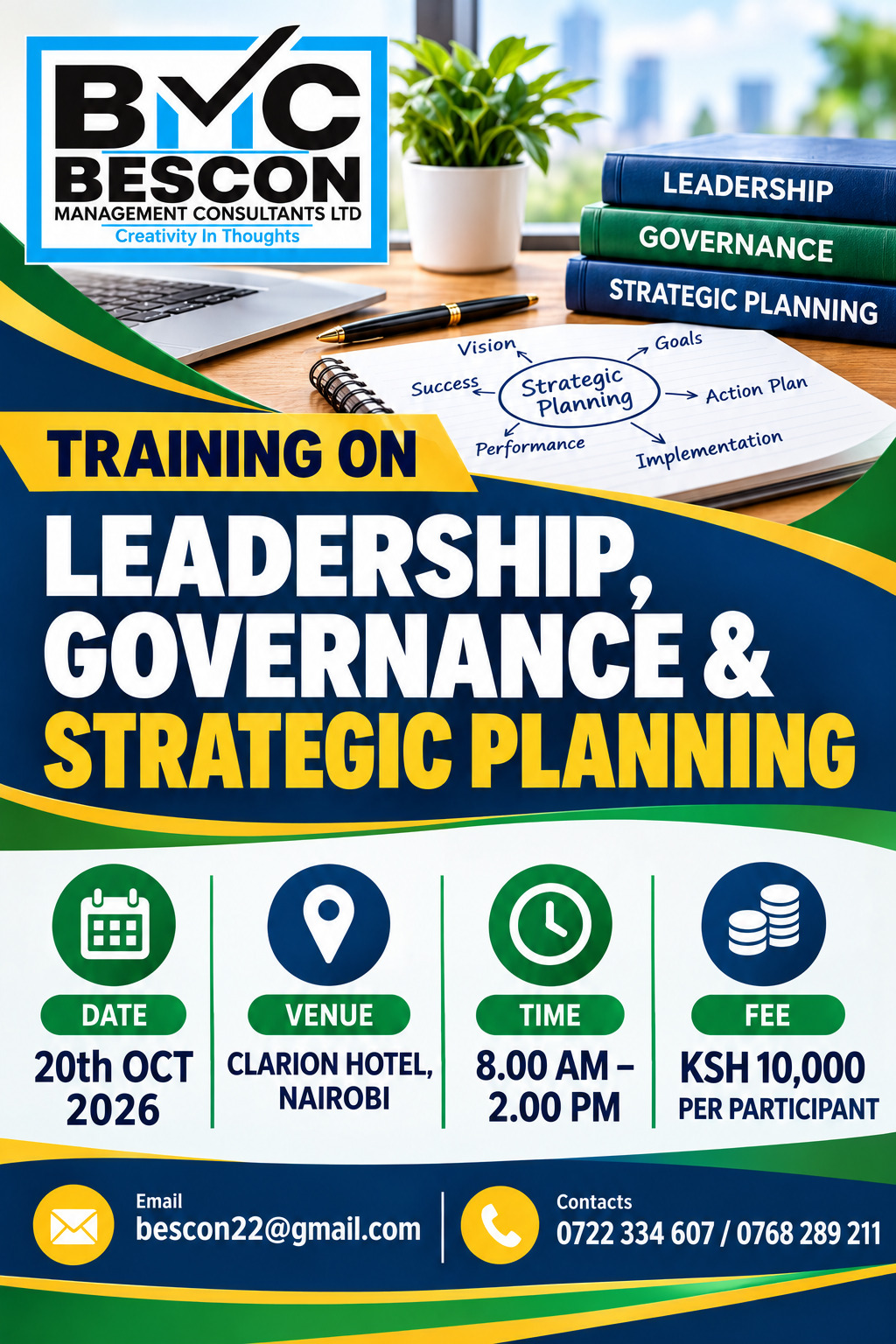
In today’s competitive business environment, growth is no longer driven by aggressive selling alone. Sustainable success depends on how well an organization acquires the right customers, understands them deeply, and aligns solutions to their actual needs. This is why Customer Acquisition, Profiling & Needs Assessment has become a critical strategic function rather than just a sales activity.
Recently highlighted by BMC Bescon Management Consultants Ltd, this subject continues to shape how forward-thinking institutions build resilient, customer-centered business models.
1. Customer Acquisition: Attracting the Right Clients
Customer acquisition is not about volume — it is about value alignment.
Effective acquisition strategies focus on:
- Identifying target market segments clearly
- Understanding customer pain points before engagement
- Crafting value propositions that resonate
- Using data-driven lead qualification methods
- Building trust through consultative engagement
Organizations that acquire customers strategically reduce churn, improve profitability, and strengthen long-term relationships. The key shift is moving from product pushing to solution positioning.
2. Customer Profiling: Turning Data into Insight
Customer profiling transforms raw information into actionable intelligence.
A robust profiling framework includes:
- Demographic analysis (age, income, location, industry)
- Behavioral insights (purchase patterns, engagement trends)
- Psychographic factors (values, motivations, risk appetite)
- Financial capacity and risk tolerance
- Lifecycle stage assessment
In sectors such as banking, insurance, and financial services, profiling enhances compliance, improves cross-selling precision, and strengthens risk management. When done correctly, it enables personalized offerings that increase customer satisfaction and loyalty.
3. Needs Assessment: The Core of Consultative Selling
Needs assessment is where true differentiation happens.
Rather than assuming customer requirements, high-performing professionals:
- Ask structured, open-ended questions
- Diagnose financial or operational gaps
- Identify both explicit and latent needs
- Align solutions with measurable outcomes
- Document and validate agreed priorities
This approach transforms sales conversations into advisory engagements. Customers feel understood, not pressured — and that trust becomes a competitive advantage.
4. Why These Three Must Work Together
Customer Acquisition, Profiling, and Needs Assessment are not isolated activities. They form a continuous value chain:
- Acquire the right prospect
- Profile them accurately
- Assess needs deeply
- Deliver tailored solutions
- Monitor and refine
When integrated, organizations achieve:
- Higher conversion rates
- Improved customer retention
- Reduced credit or default risk
- Stronger brand positioning
- Increased lifetime customer value
5. The Strategic Advantage for Managers
For Business Development Managers, Relationship Managers, Credit Analysts, and Customer Experience Leaders, mastering these competencies is no longer optional. It is central to:
- Revenue growth
- Portfolio quality
- Risk mitigation
- Regulatory compliance
- Customer-centric transformation
Workshops and executive programs — such as those hosted in leading venues like Meridian Hotel — continue to equip professionals with practical tools, case studies, and structured frameworks to implement these strategies effectively.
Conclusion
Customer acquisition without profiling is guesswork.
Profiling without needs assessment is incomplete.
Needs assessment without strategy is ineffective.
Organizations that intentionally integrate these three pillars build stronger relationships, make smarter lending or sales decisions, and achieve sustainable performance.
In an era where customers expect personalization, transparency, and value — mastering Customer Acquisition, Profiling & Needs Assessment is no longer a competitive edge. It is a business necessity.